Alle Alle
It was mid-summer when the wheels of my small plane touched down on the dirt of the northernmost runway in Greenland - Qaanaaq (pop: 586). Our flight to the north had been delayed by a mechanical failure for several days, so, being that we were late, there was no time to waste when we disembarked.
Immediately upon arrival, we were ushered into a small boat loaded with black plastic bags holding unknown items, Rubbermaid tubs filled with food and cooking gear, and crammed to the brim with people. A family of 6, filmmaker Ashlei Payne, and myself.
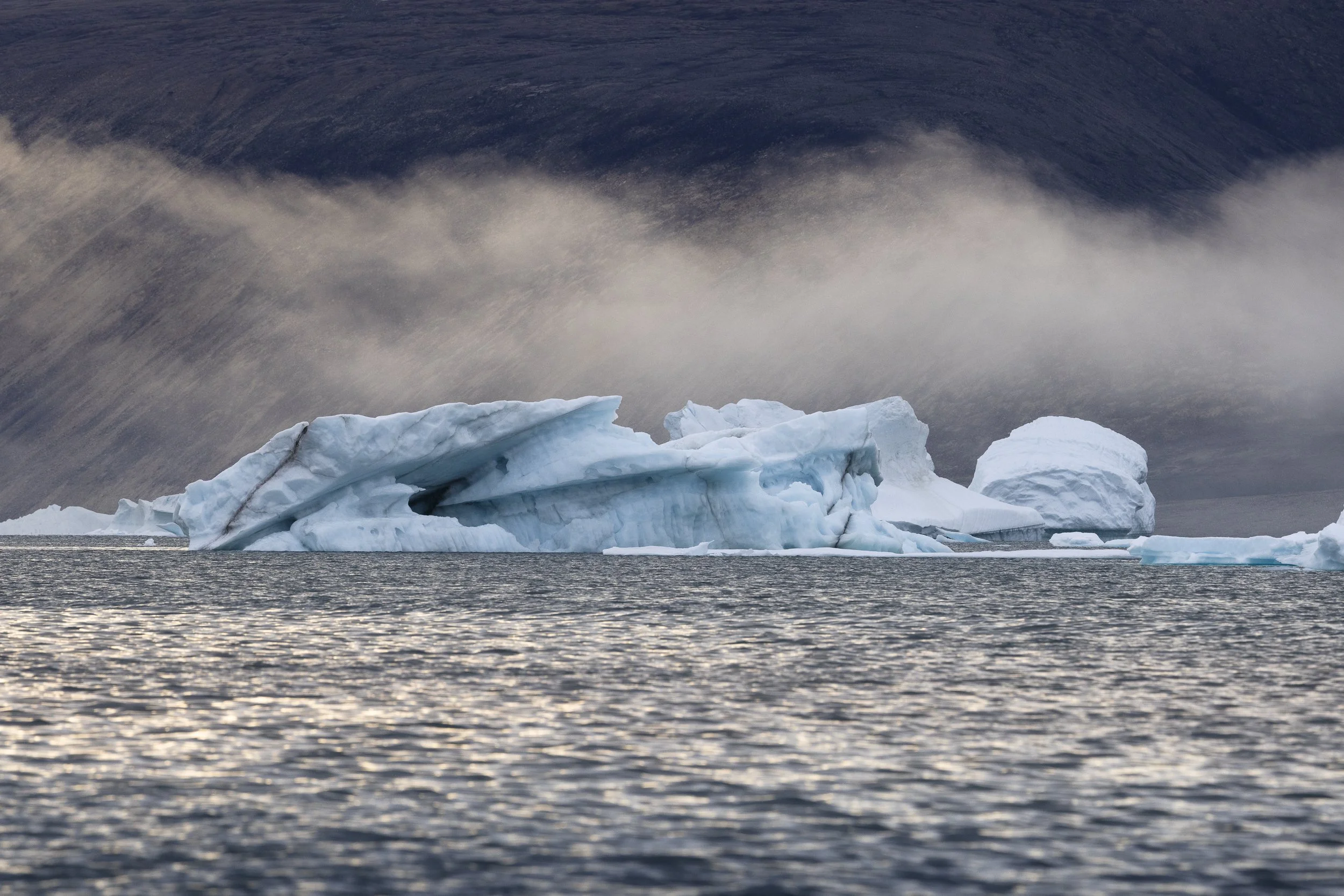
With no common language between our hosts and us, we set off unaware of the destination, objective, or how long we would be gone. This is the life of subsistence hunting in the high Arctic. It’s a world in which fixed plans are abandoned for open pursuit of the infinite possibilities that could arise at a moment’s notice. As our boat sped across the water, weaving between icebergs glistening under the midnight sun, I opened my mind to the endless possibilities ahead.
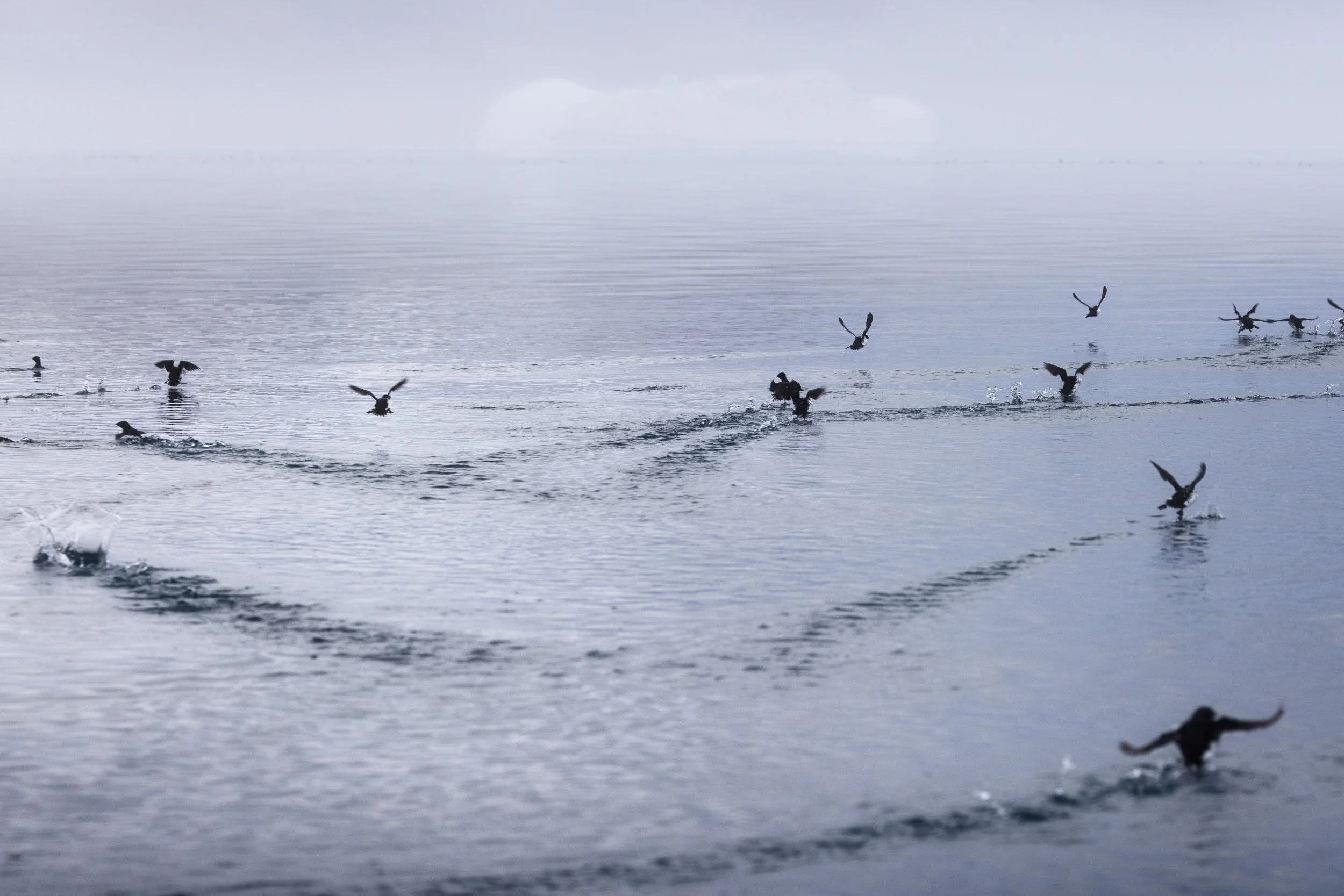
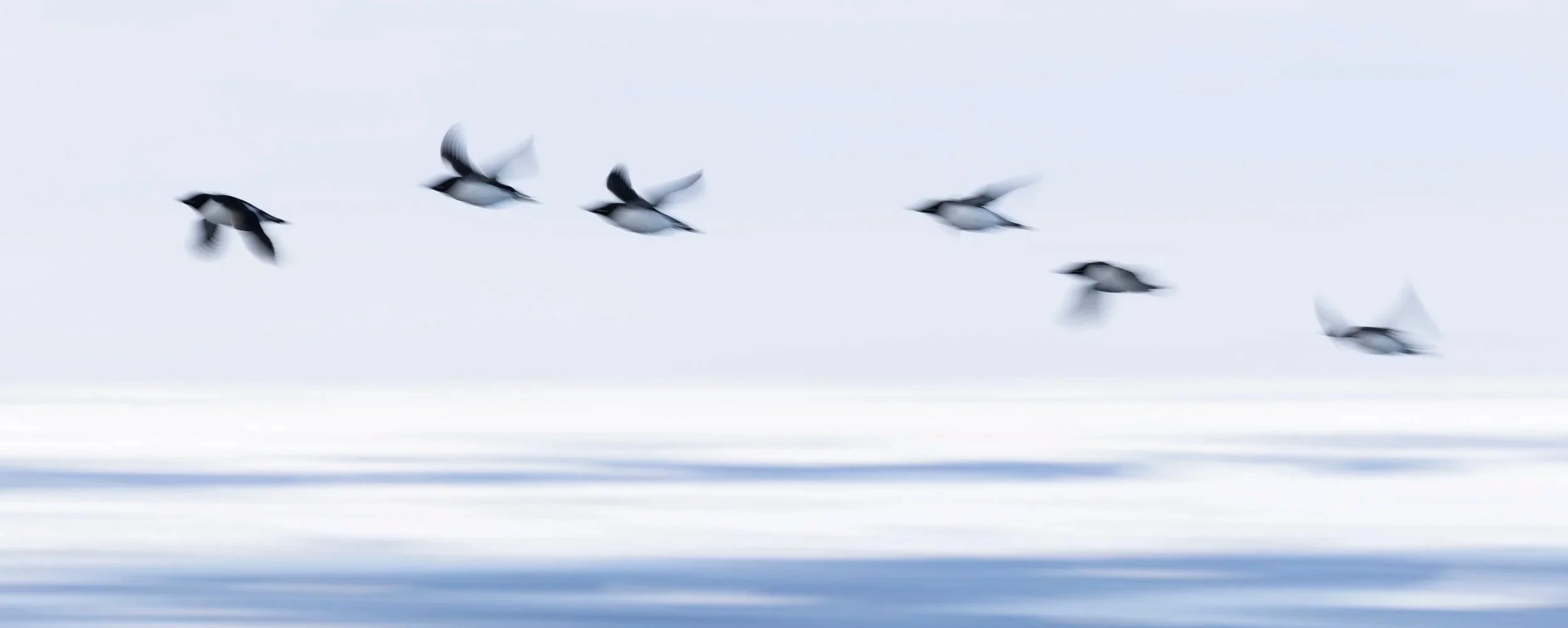
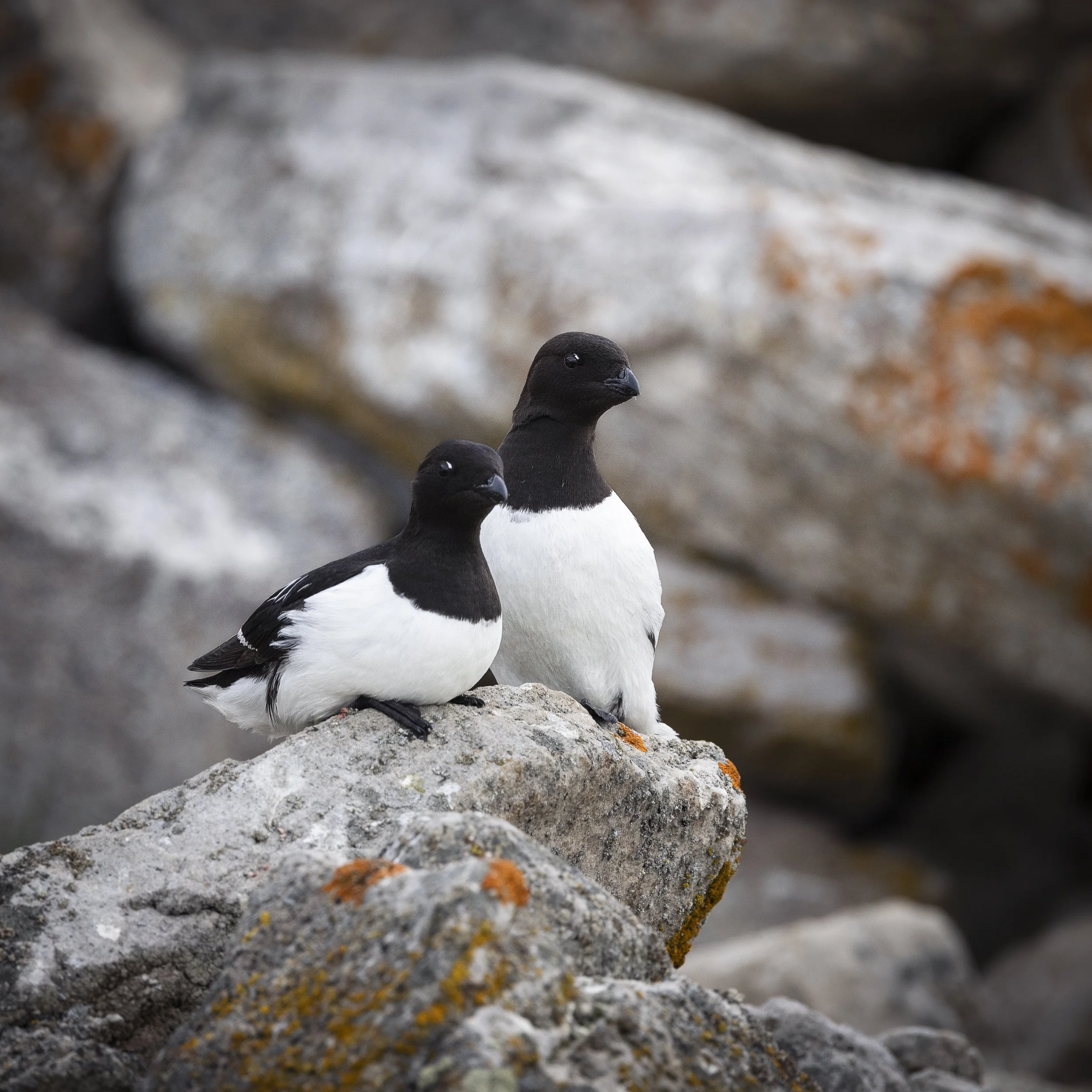
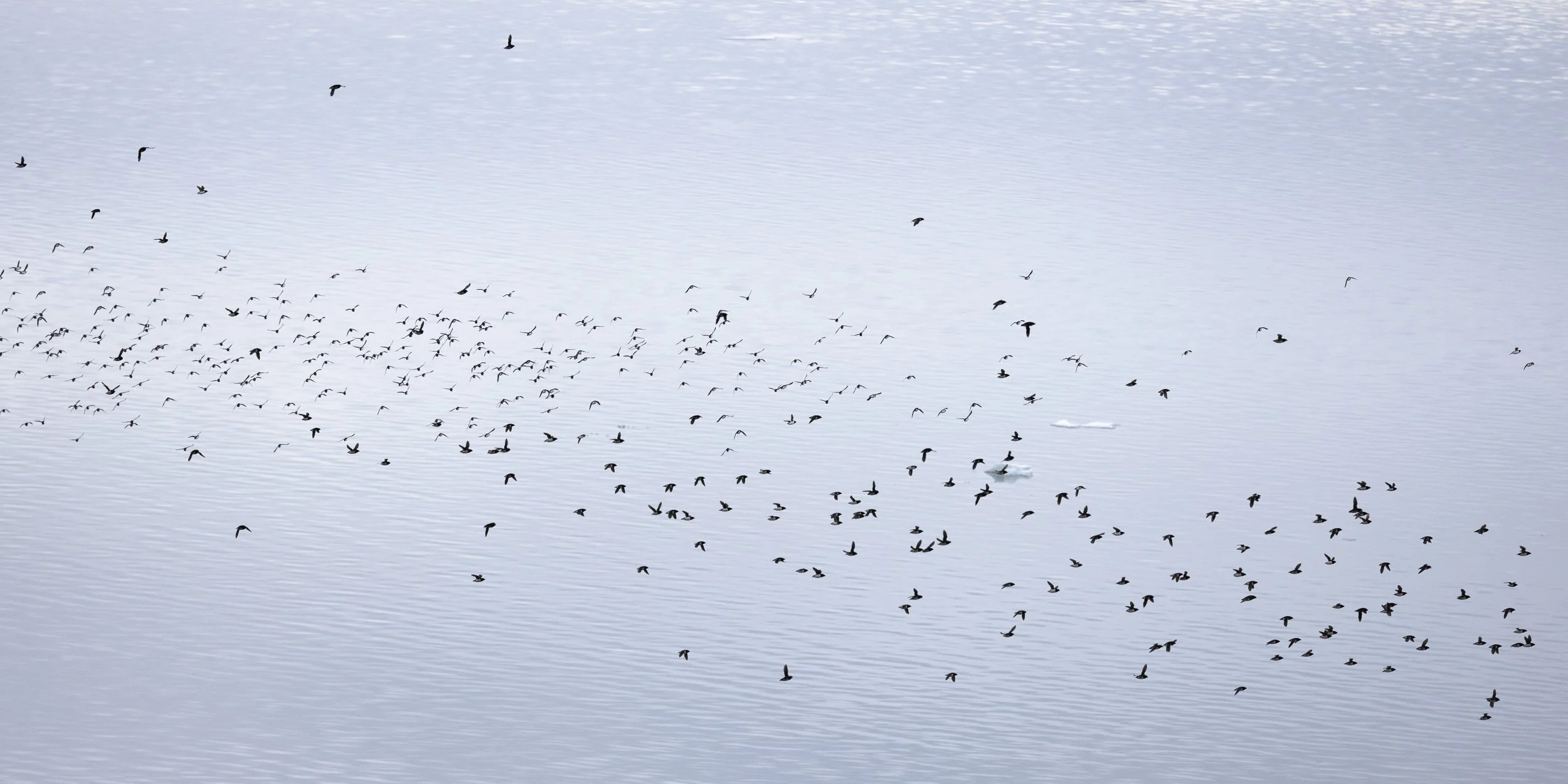
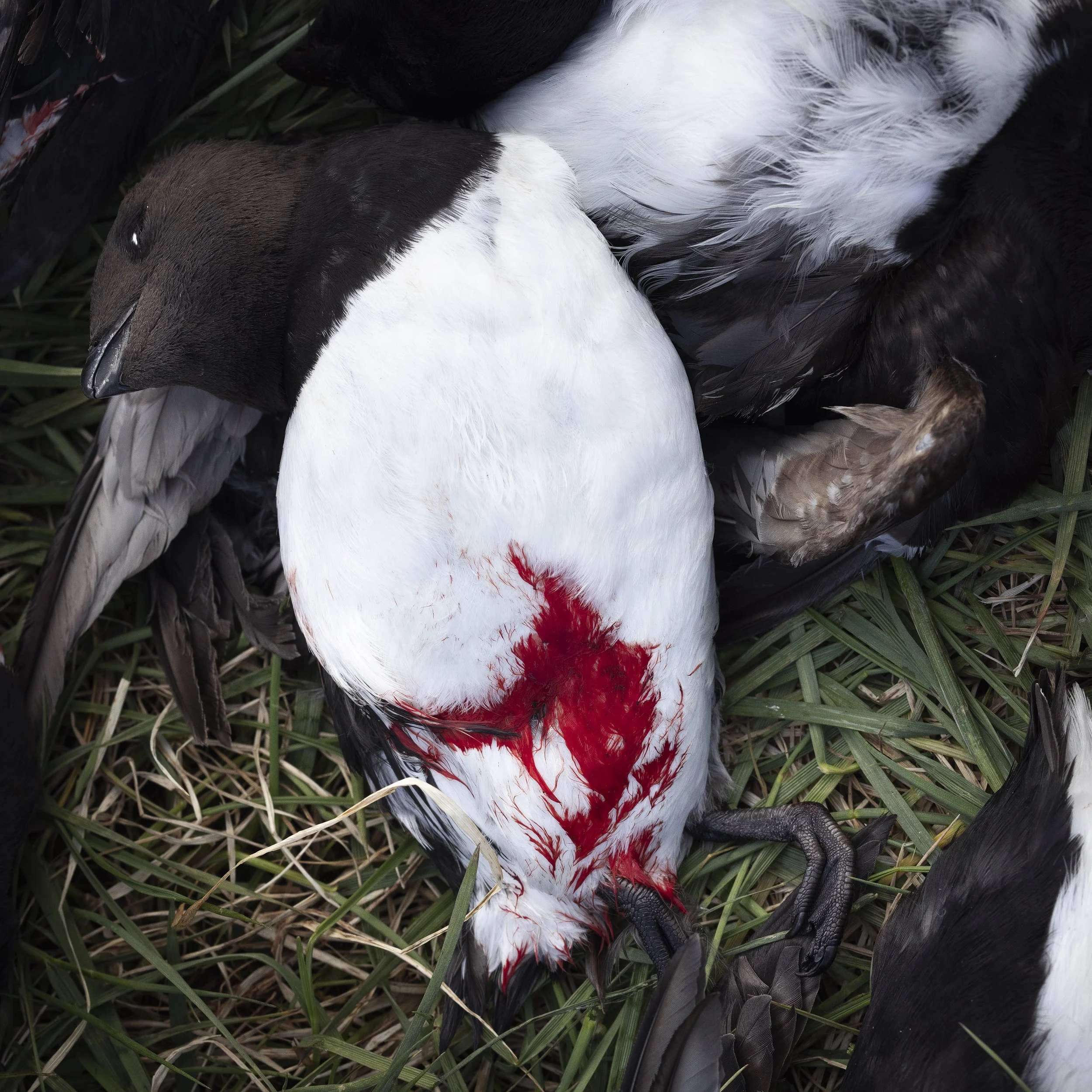
Along the way, we saw thousands of small seabirds fluttering across the water. The Little Auk (Alle Alle) inhabits some of the most remote regions of the High Arctic, and its presence is deeply connected to the history of human survival in northwest Greenland (Avanersuaq). The archaeological record shows that historical highs and lows of Little Auk numbers have coincided with the arrivals and disappearances of various human civilizations in the region, highlighting the close connection between the health and presence of both human and seabird populations.
After a long winter spent feeding out at sea, the Little Auk had returned to their ancestral cliffs for breeding season in the largest colony in the world (pop. 33 million) located just across the fjord from the northernmost Indigenous village on Earth - Siorapaluk (pop. 43).
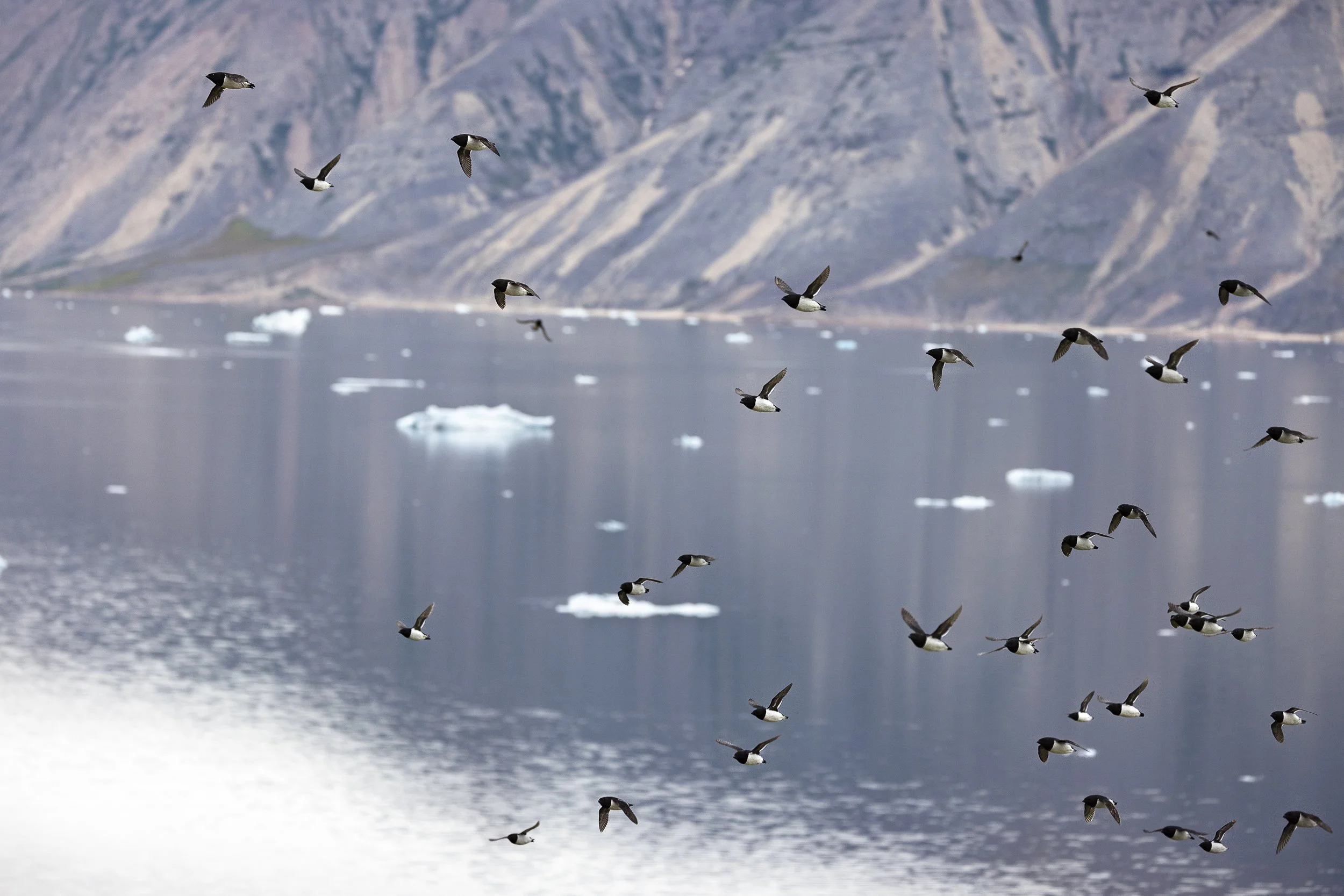
These cliffs have been a home to the Little Auk for over 4,500 years, and the little hut dug into the turf at the base of a cliff has provided shelter to countless hunting families over generations who have chased this seasonal bounty of traditional Greenlandic food.
It was 1 AM when we arrived, but time doesn’t matter in the land of the midnight sun.
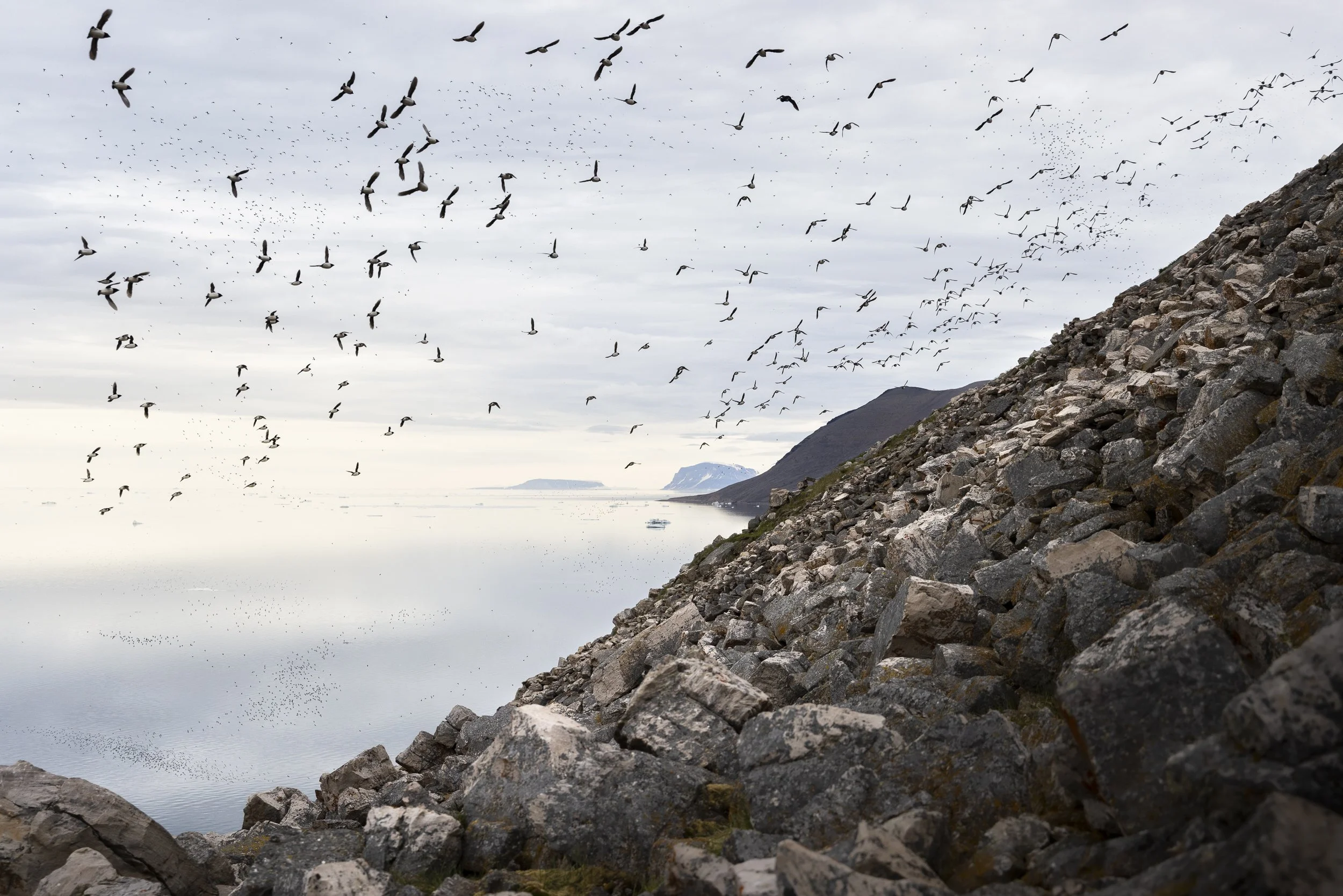
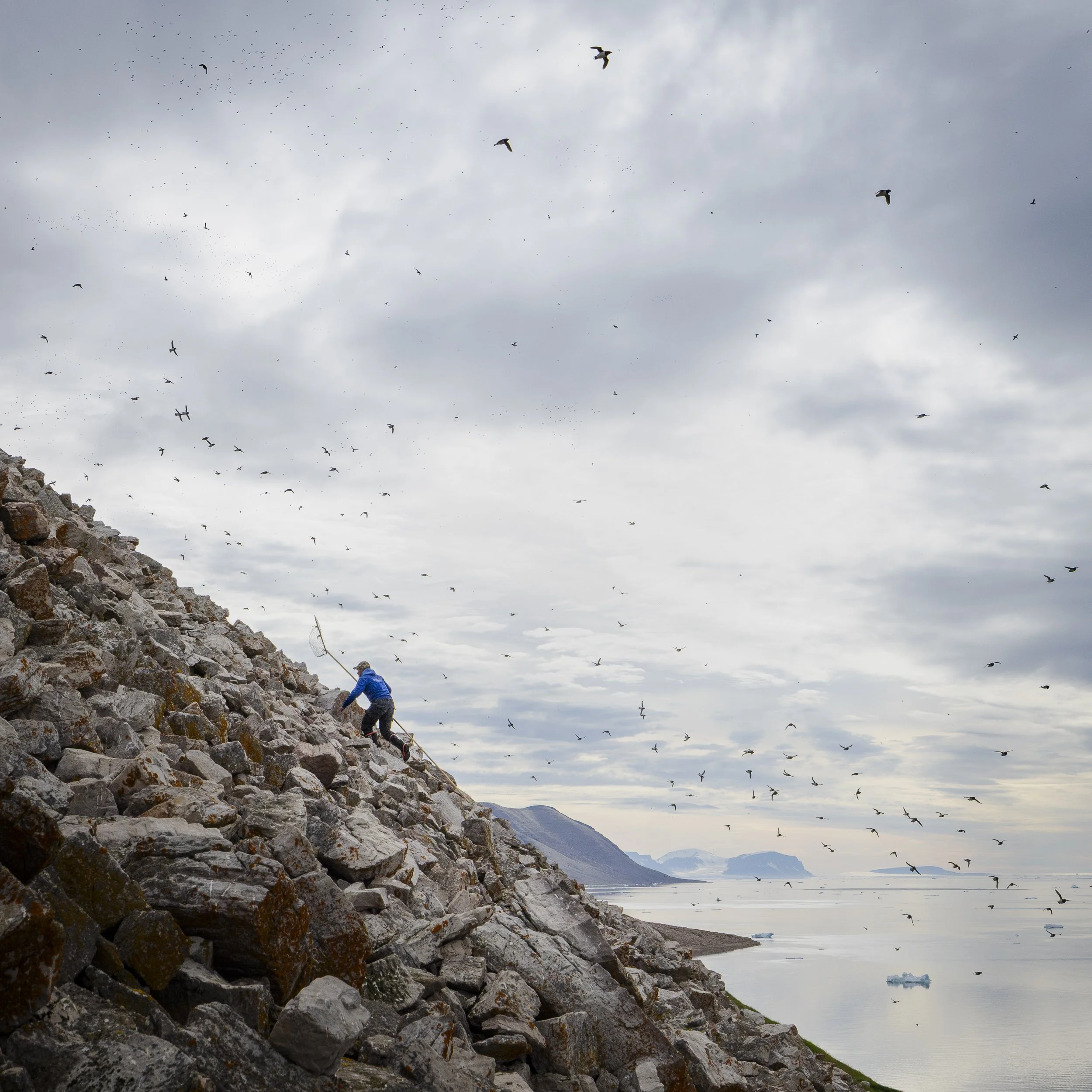
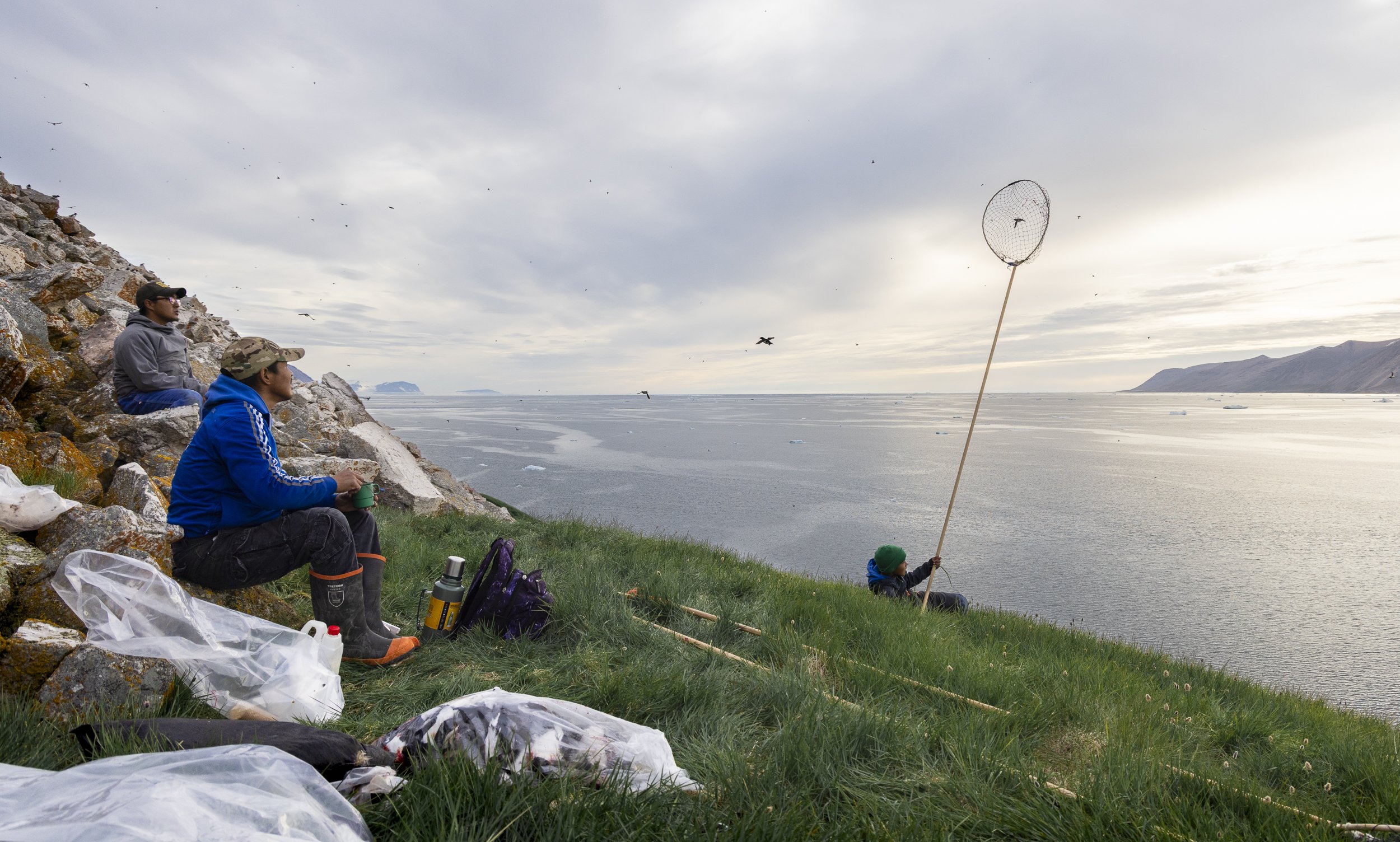
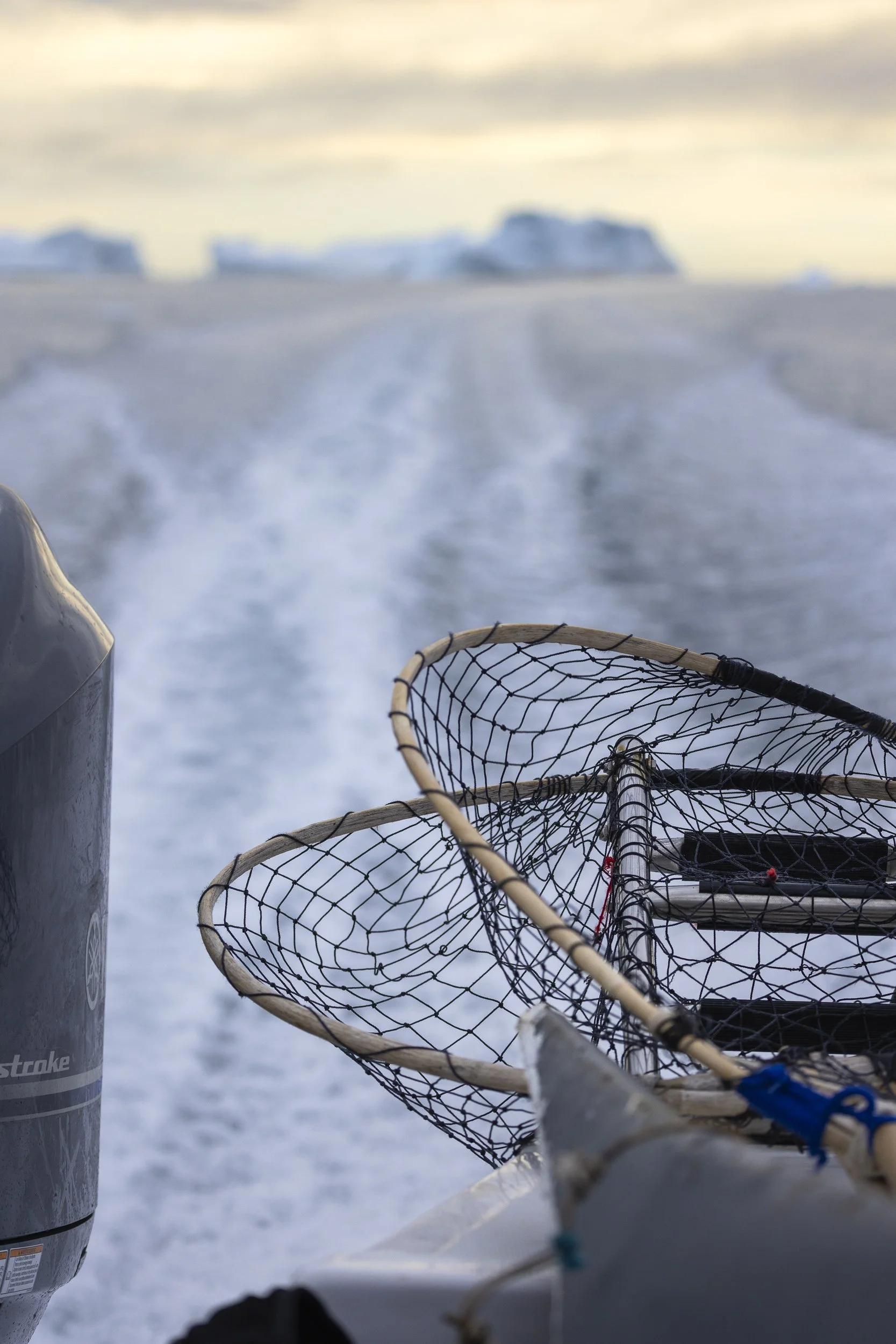
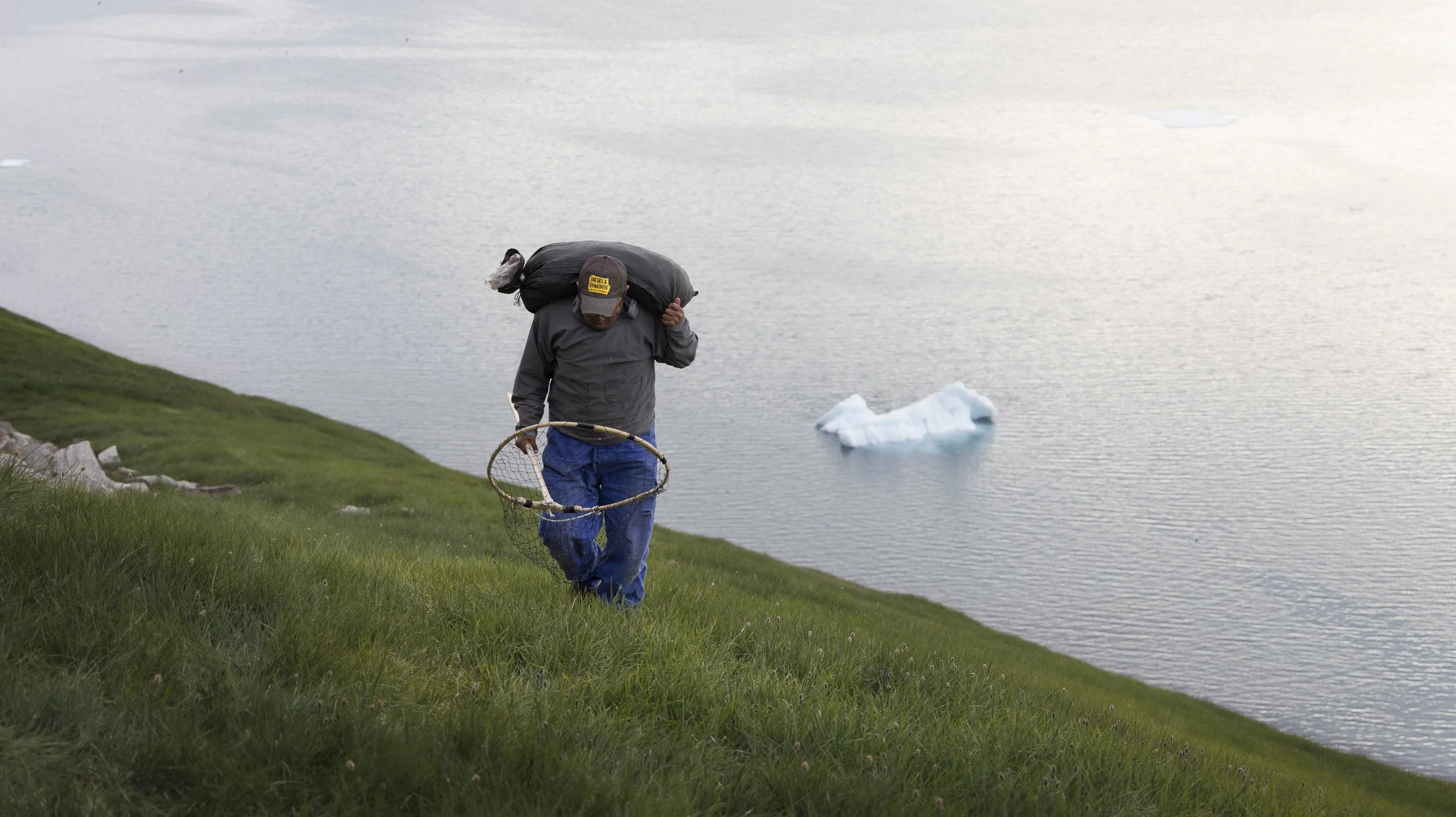
For thousands of years, the hunters of Avanersuaq have harvested the Little Auk using a subsistence tool called an ipoq, made from a hoop, net, and long pole, in a design that has changed little over the millennia. Shortly after we arrived at the cliffs and unpacked the boat, these ipoqs emerged, and we scrambled up the cliffs rising high above the fjord below.
As we climbed, millions of birds swirled close overhead in an endless parade of fluttering movement and cacophonous sound. The drumbeat of their wings and constant calls made speaking out loud altogether pointless. There was nothing left to do besides sit and observe the timeless dance of a cultural tradition perfectly refined to its environment.
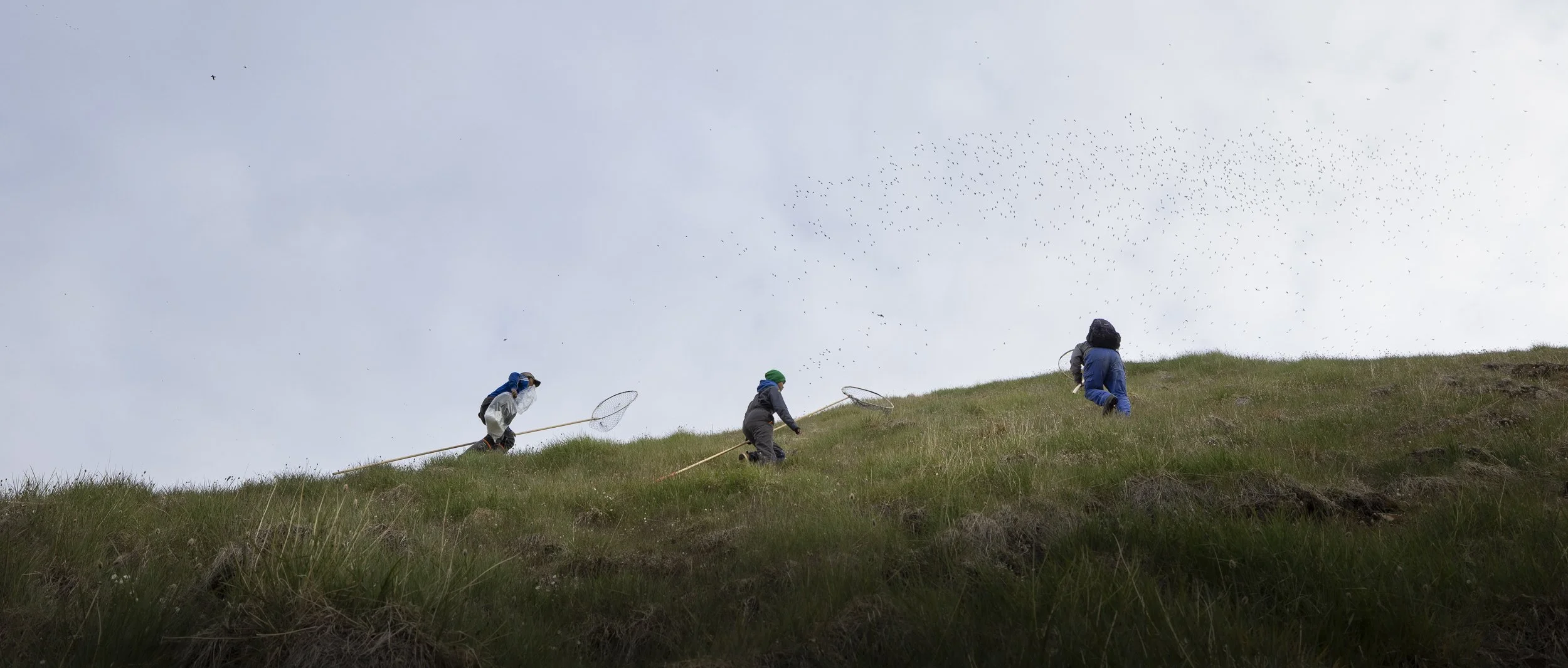
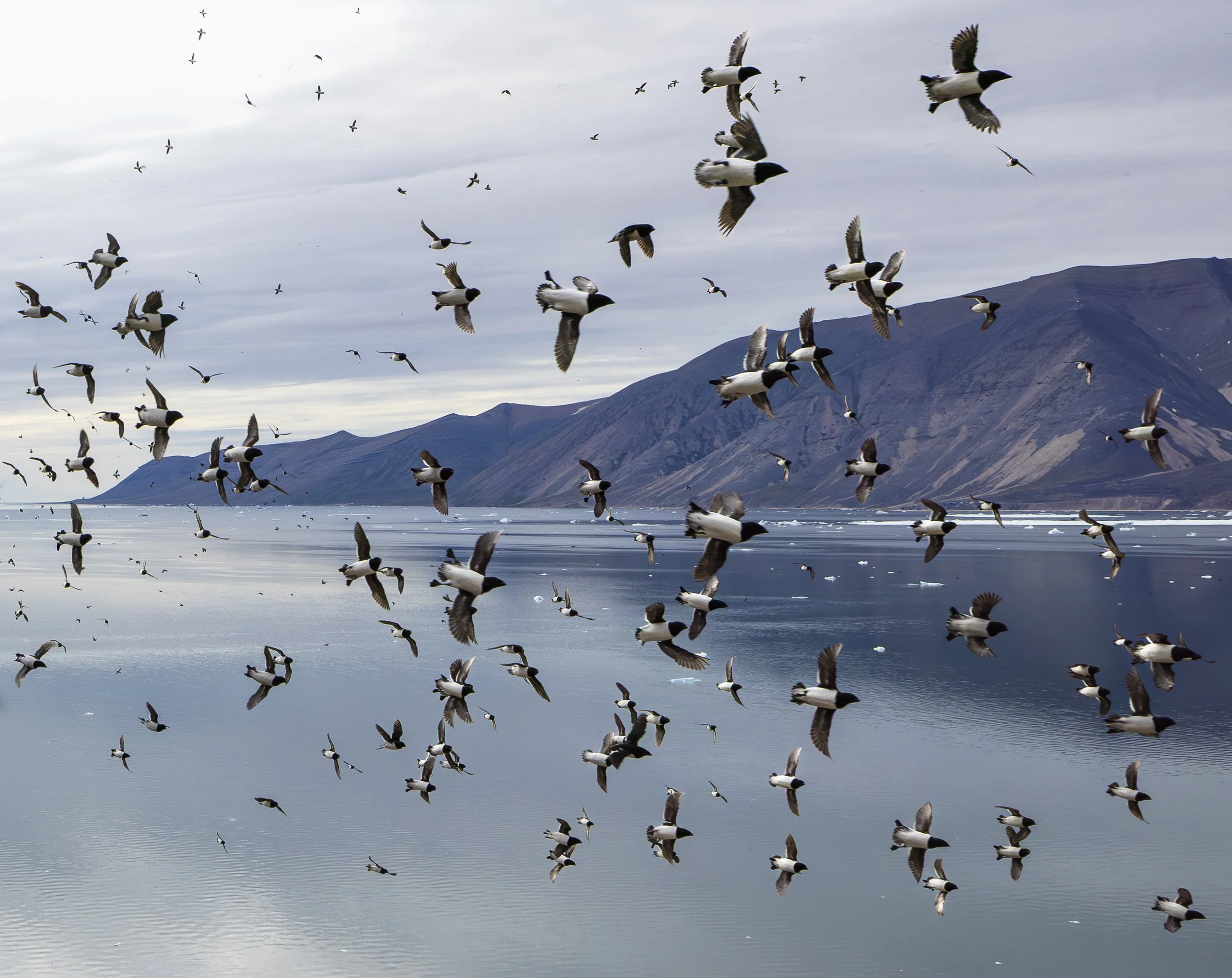
The constant sound of fluttering wings was punctuated by a sudden whoosh.
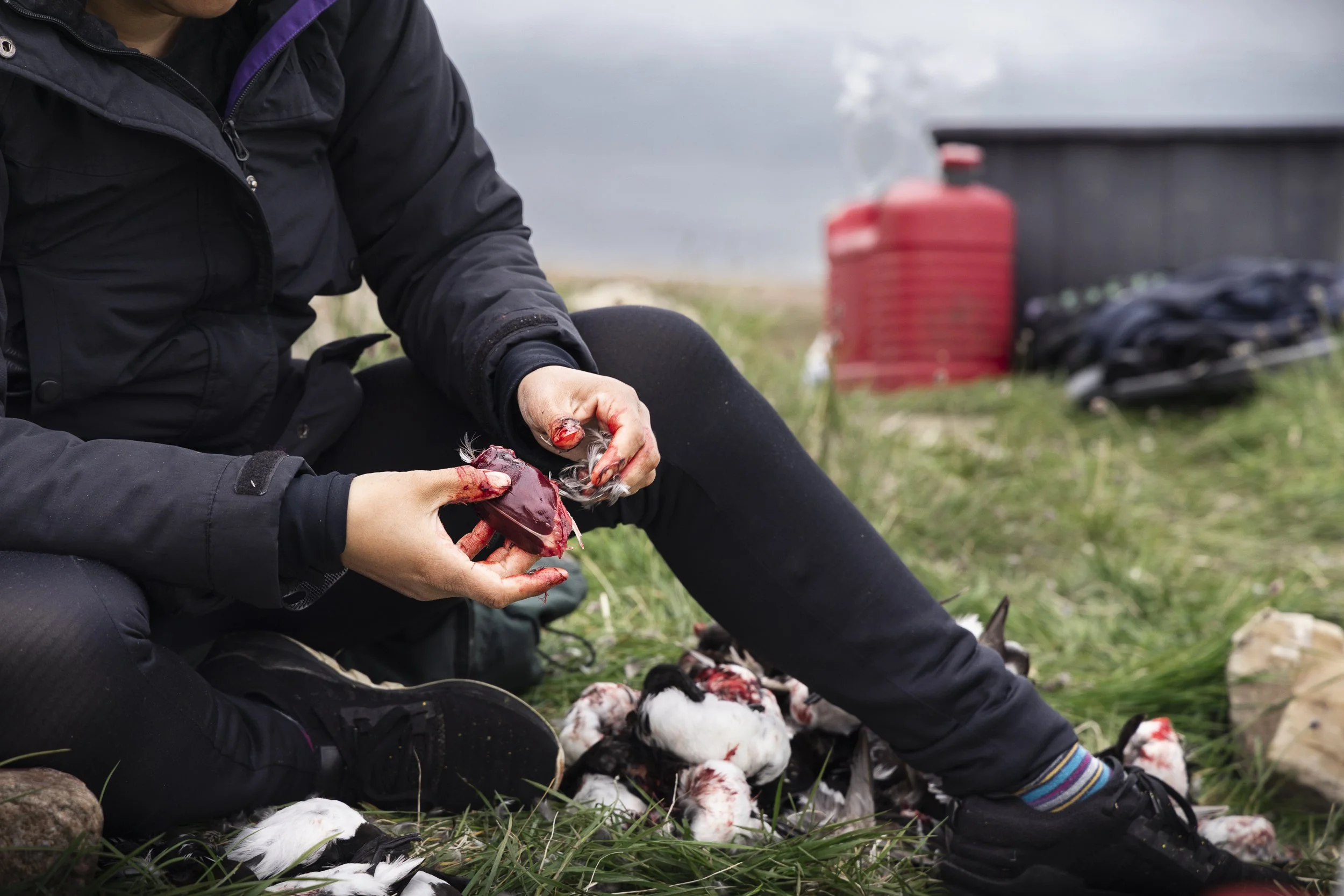
A bird was caught in the ipoq and quickly pulled in. The wings were broken and the heart crushed in one swift motion, and the still pulsing body was added to a clear plastic bag. The act was violent and beautiful, precise and natural, eloquently practiced and supremely fitting in this moment on this cliff at the northern edge of the Earth.
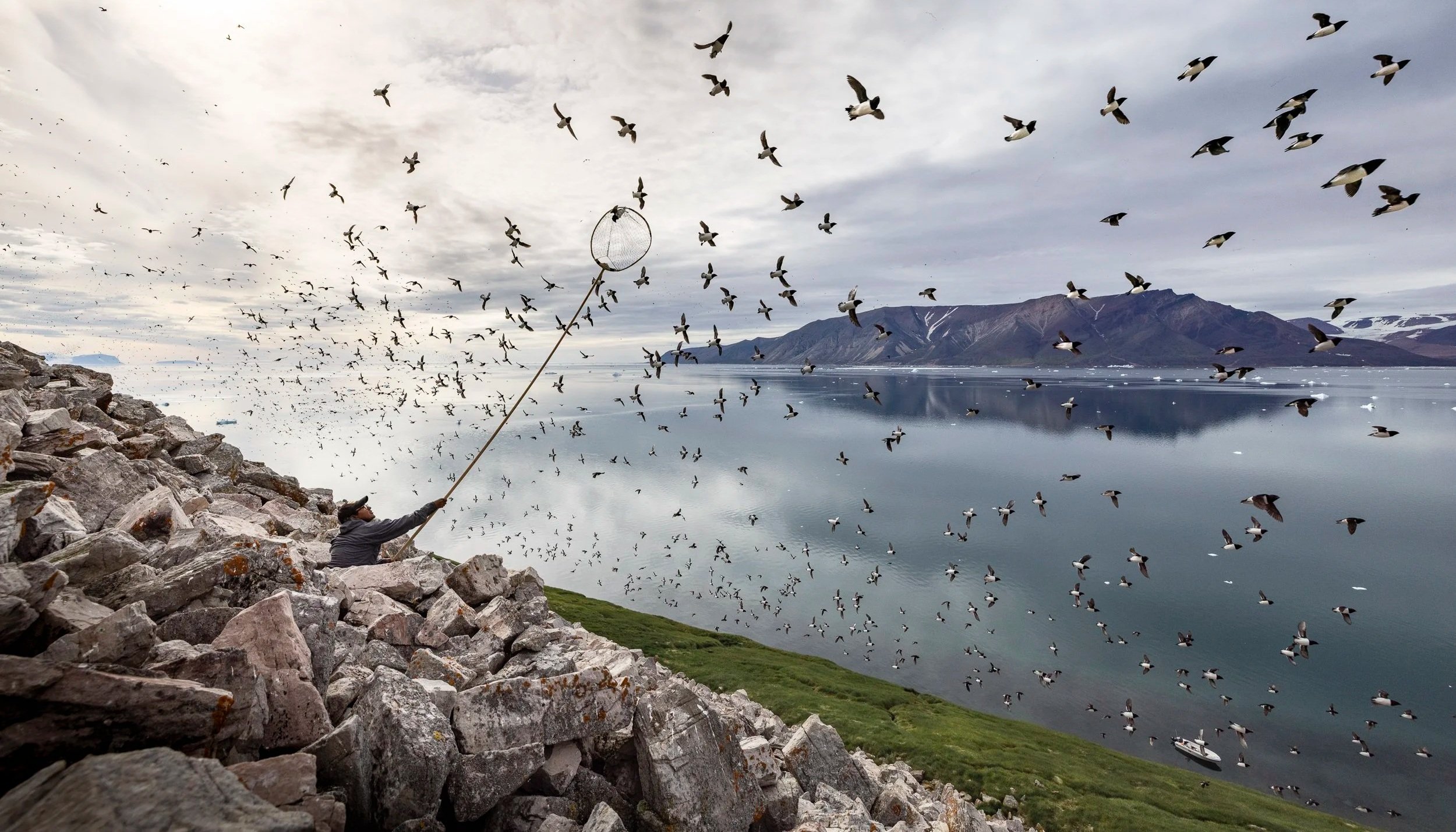
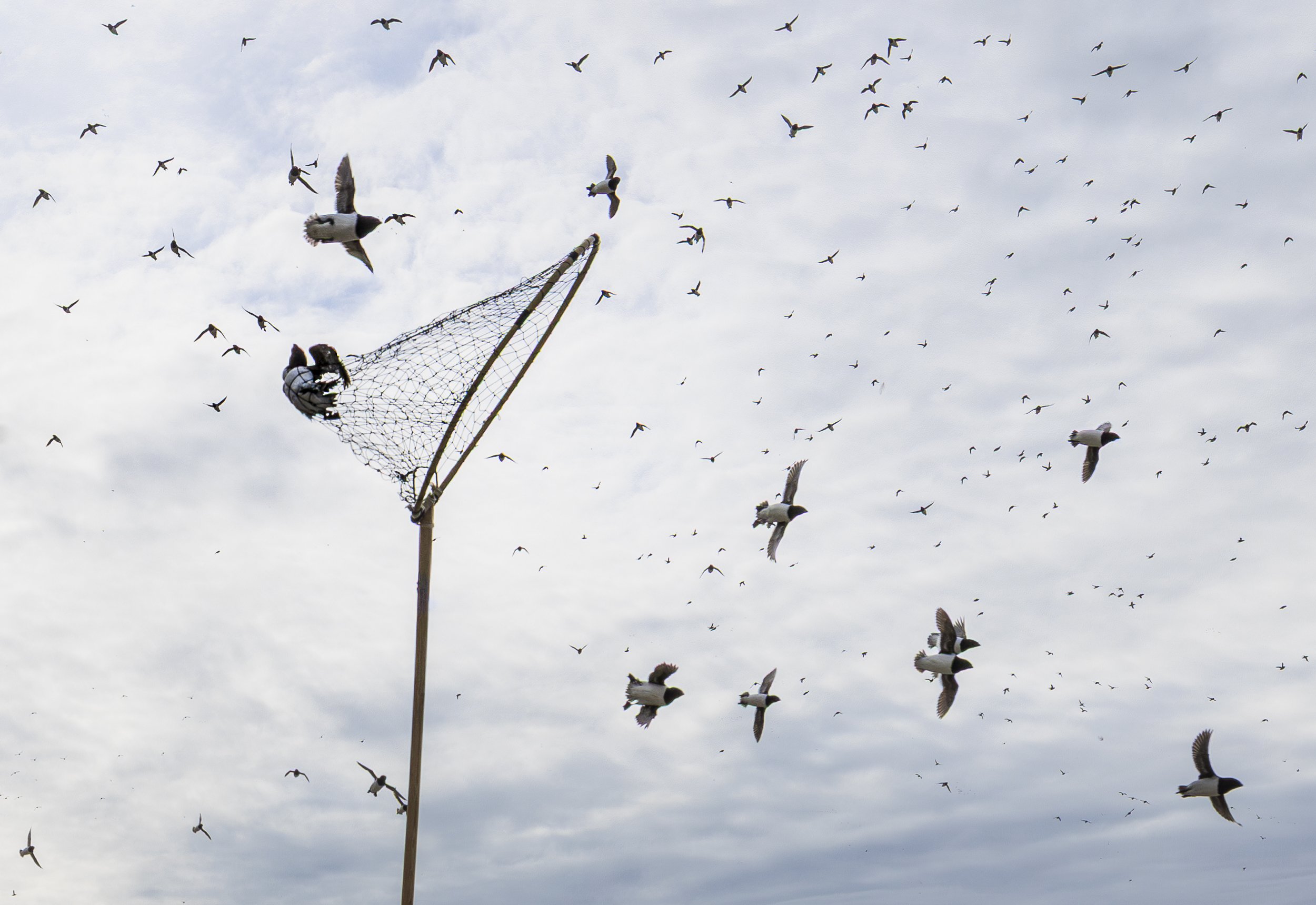
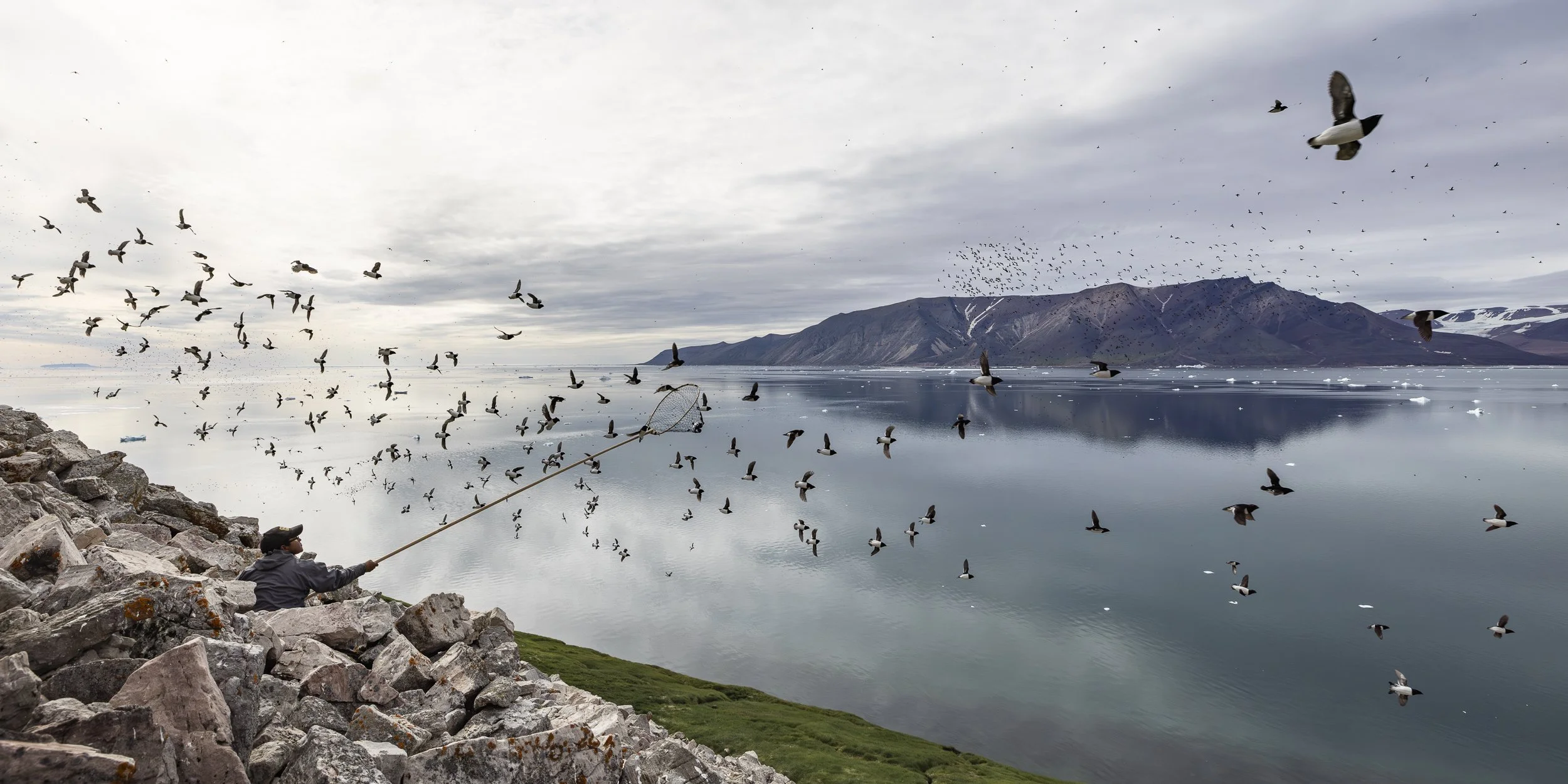
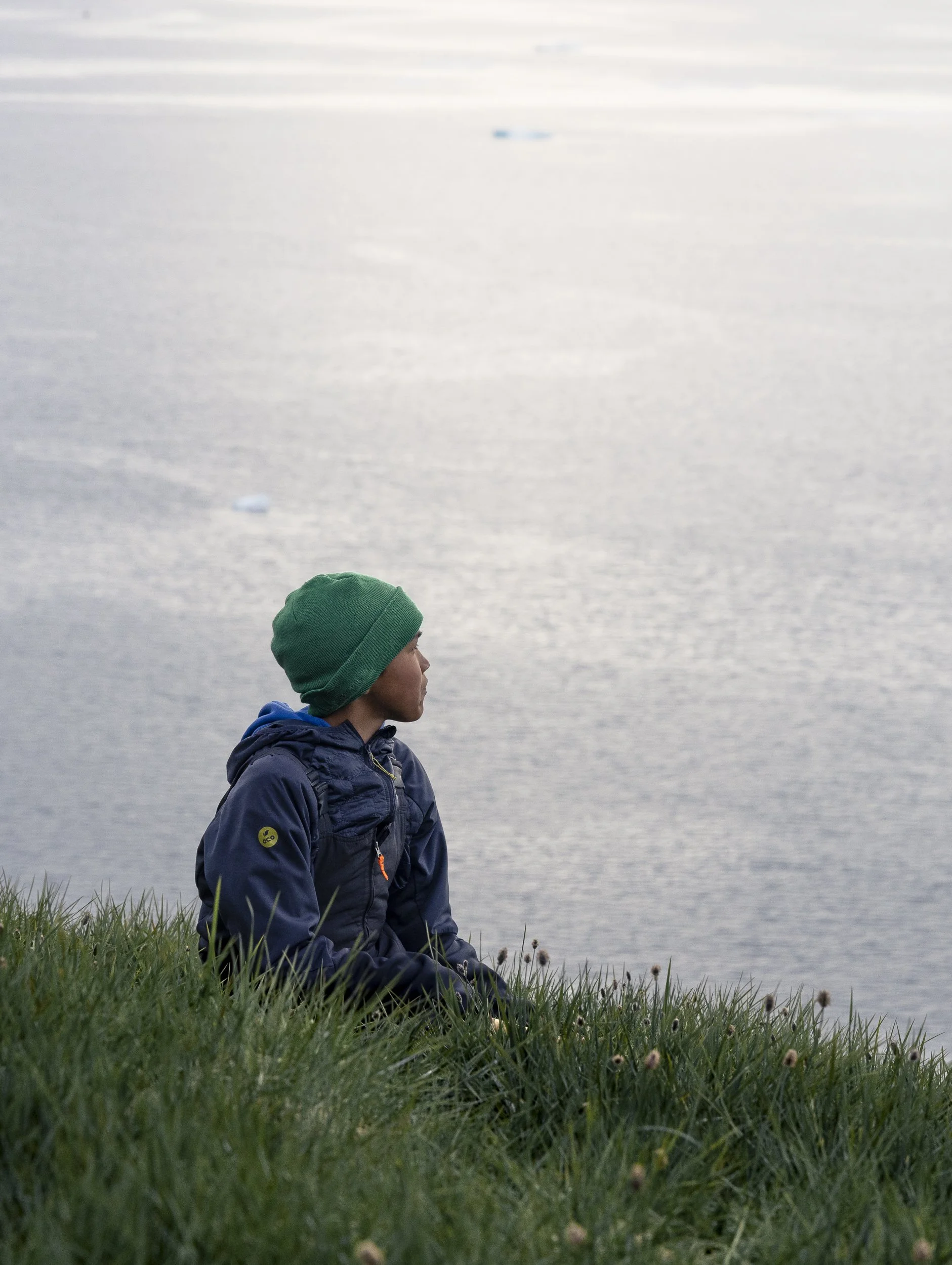
Catching the Little Auk with an ipoq is a difficult skill passed down within a family from father to son, and mastery of this skill requires a lifetime of practice. However, once the skill is mastered, it becomes an affordable and accessible way for anyone in the community - young and old alike - to secure a reliable source of seasonal protein.
The Little Auk harvest is an important cultural time for the hunters of Avanersuaq. It signals the beginning of summer as the long polar night gives way to months of endless midnight sun. Traditionally, it is a communal activity that brings entire families together, connects them to their heritage, and sustains traditional Indigenous cultural practices.
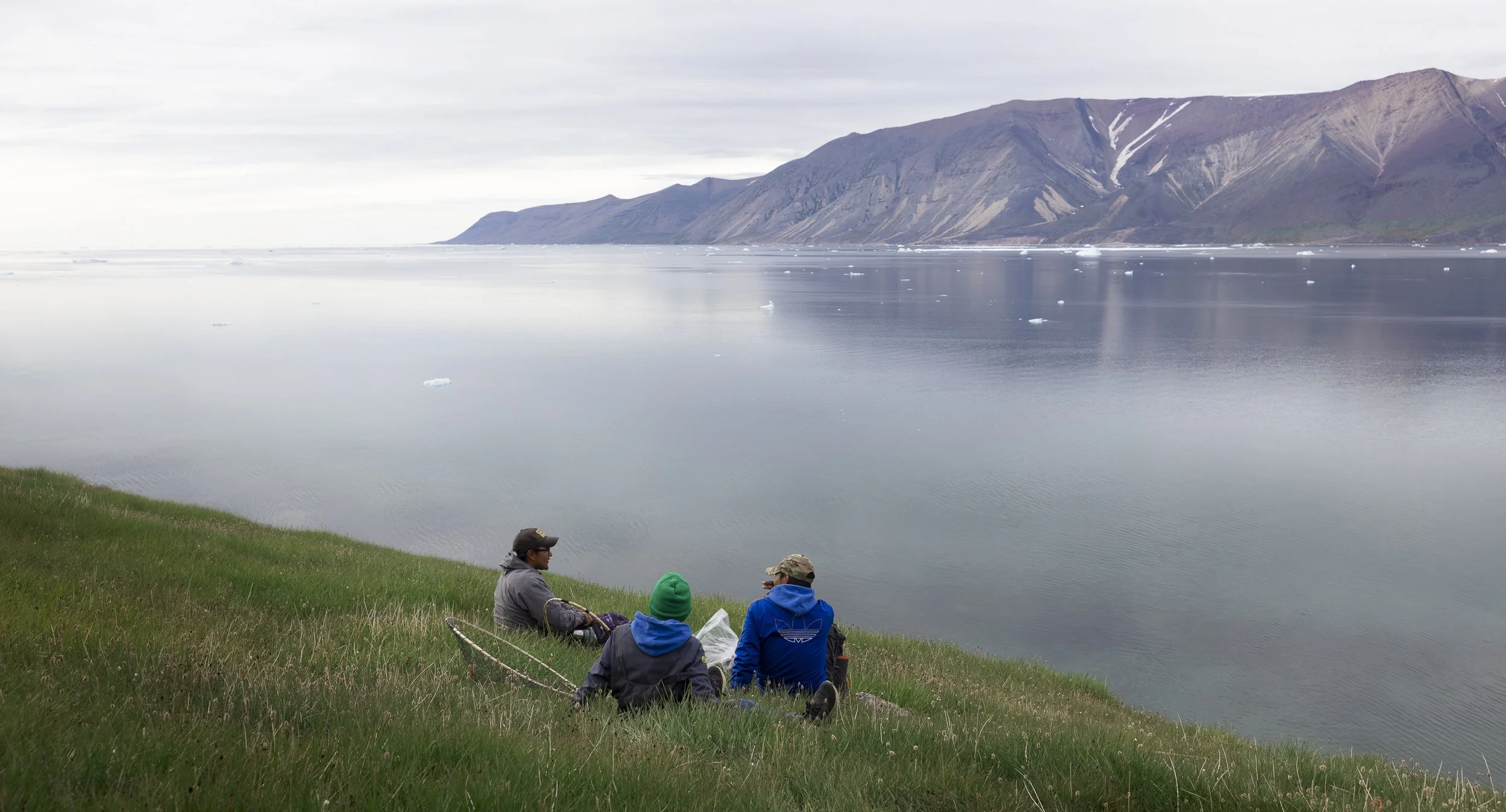
Hours later, as we sat together picking meat from the tiny bones, we shared a meal that had been consumed by the inhabitants of Northwest Greenland for thousands of years.
It tasted like duck and was served on paper plates with a side of Kool-Aid.
As the day drew to a close, a training session began as a father and uncle sipped coffee from a thermos while providing both sage advice and prodding laughter to the next generation’s hunter.
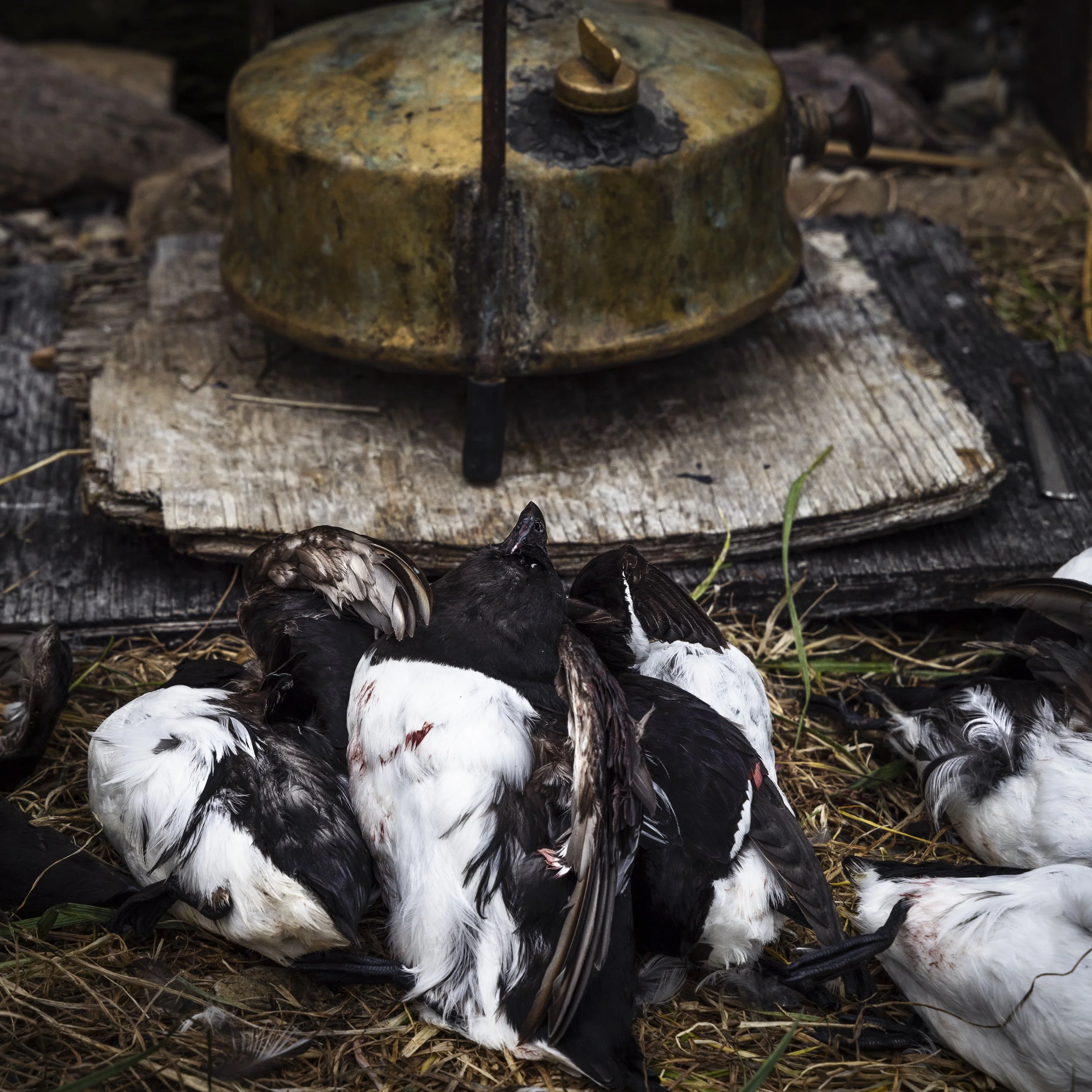
Today, the ipoq has changed, with traditional materials such as baleen and sinew traded for imported bamboo and nylon netting. However, the design and function of this tool have remained largely unchanged since its origin thousands of years ago.
This remarkable technological continuity and the communal nature of the Little Auk harvest show that, although globalization has changed the materials used for subsistence hunting, the generational transmission of Indigenous knowledge continues to thrive as hunters teach their children the skills necessary for survival in one of the world’s harshest environments.